Peltschenkreisel
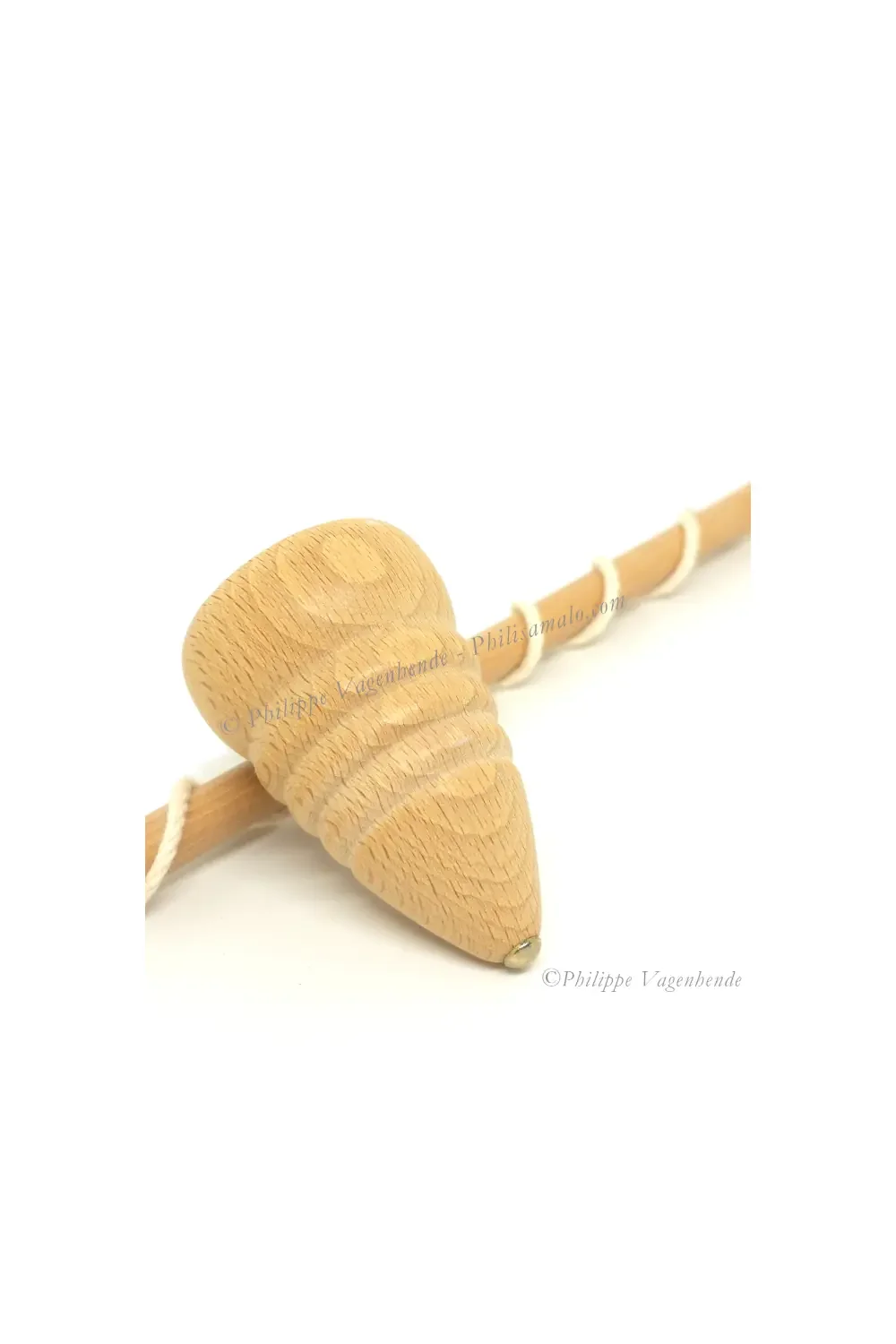
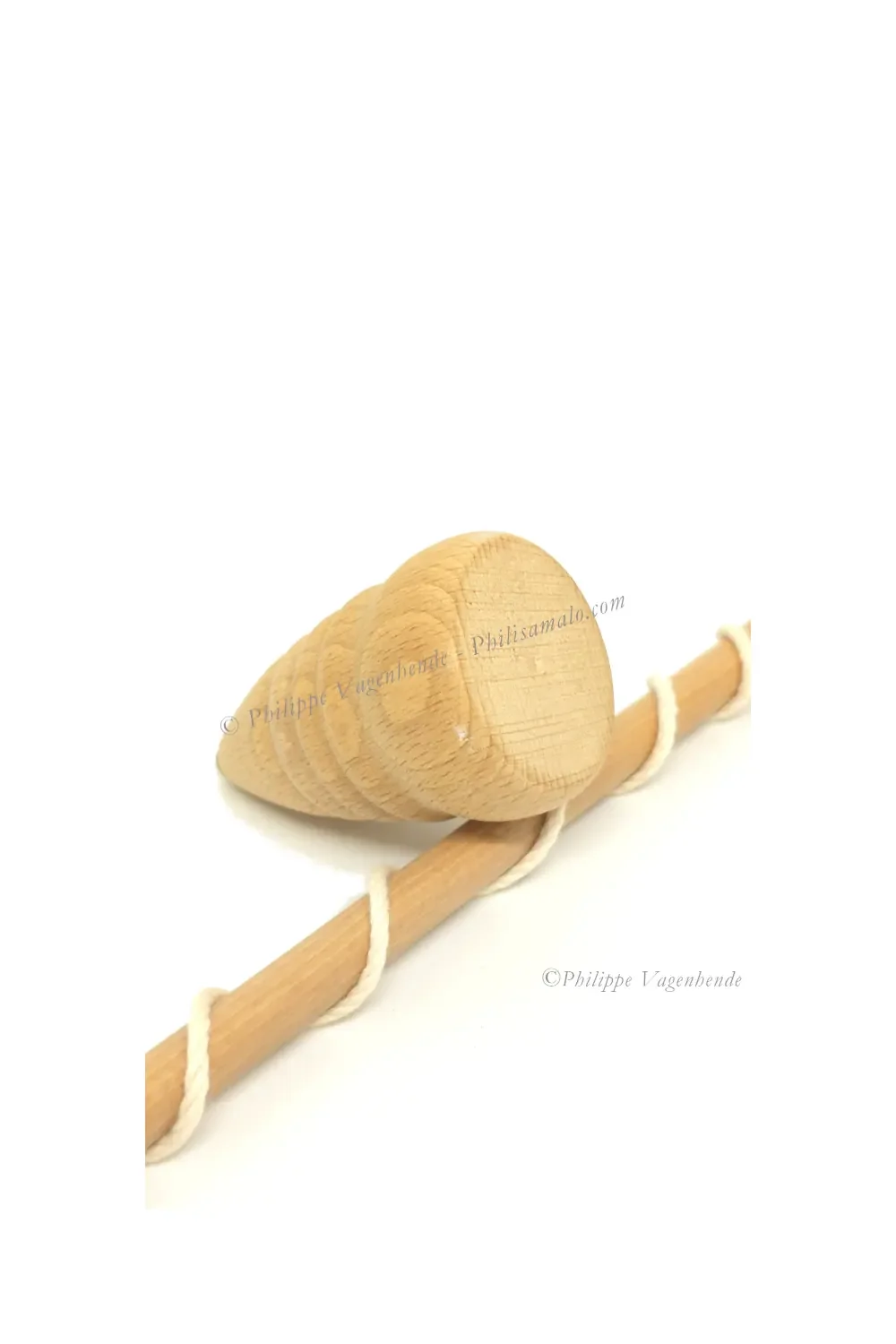
Germany – Beech wood Spinning Top and whip
The Peltschenkreisel in the German tradition refers to a classic whipping top, a toy that combines motion, rhythm, and skill. The name itself comes from the German verb “peltschen”—meaning to whip or lash—and “Kreisel”, meaning spinning top. Together, they describe exactly how the top is played: not simply launched, but kept alive through repeated, controlled strikes of a whip.
Typically carved from solid wood and reinforced with a metal tip, the German Peltschenkreisel is built for endurance. Once set spinning—either by hand or with an initial pull—the player uses a short whip or cord to strike the top’s body, maintaining its balance and even increasing its speed. With practice, the player can guide its movement across the ground, correct its balance, or keep it spinning for extended periods.
In many parts of Germany, especially before the rise of modern toys, whipping tops were a familiar sight in streets, courtyards, and schoolyards. Children would gather to test their technique, sometimes engaging in informal competitions—seeing whose top could spin the longest or withstand the most precise strikes without losing balance.
Beyond play, the Peltschenkreisel reflects a broader European tradition of interactive spinning tops, where the relationship between player and object is continuous rather than momentary. Unlike string-launched tops such as the trompo, the whipping top invites an ongoing dialogue: each strike influences the motion, requiring timing, control, and sensitivity.
Today, the German Peltschenkreisel stands as a small but evocative piece of cultural heritage—an object where craftsmanship meets movement, and where a simple wooden form becomes a living expression of rhythm and control.